Where on Earth Did the Met's Collection Come From?
Mapping the Met's Geographic Footprint
Despite being large and impressive, the Met hasn't always come about its collections like the rest of the prestige museum world. Many of the world's most impressive museums, like the British Museum and the Louvre acquired huge portions of their collections through activities directly related (or benefiting from) Britain and France's colonial empire.
Just as the United States was born a little too late to have a colonial empire, the Met too was late in in its inception and subsequent collecting spree. Founded in 1870, almost 100 years after the British Museum, the Met relied instead on the Gilded Age titans of industry to acquire most of its work
I cracked into the Met's Open Access Data to try and understand both the geographic and historic context of the pieces inside New York's centerpiece art museum. Despite having little historical involvement in up to this point, the largest chunks of the overseas collection have been pulled from Egypt, Iran, and France
While the US may not have had colonial holdings in a traditional sense, the scale and power accumulated by the Robber Barons of the late 1800s and early 1900s was enough to make many a king weep. John D. Rockefeller for example was worth $300 Million at his death, $1.4 Billion in today's money. Not only did he hold 1.5% of America's GDP at the time, he and his contemporaries commanded international behemoths like Standard Oil, Chase Bank, and Andrew Carnegie's US Steel.
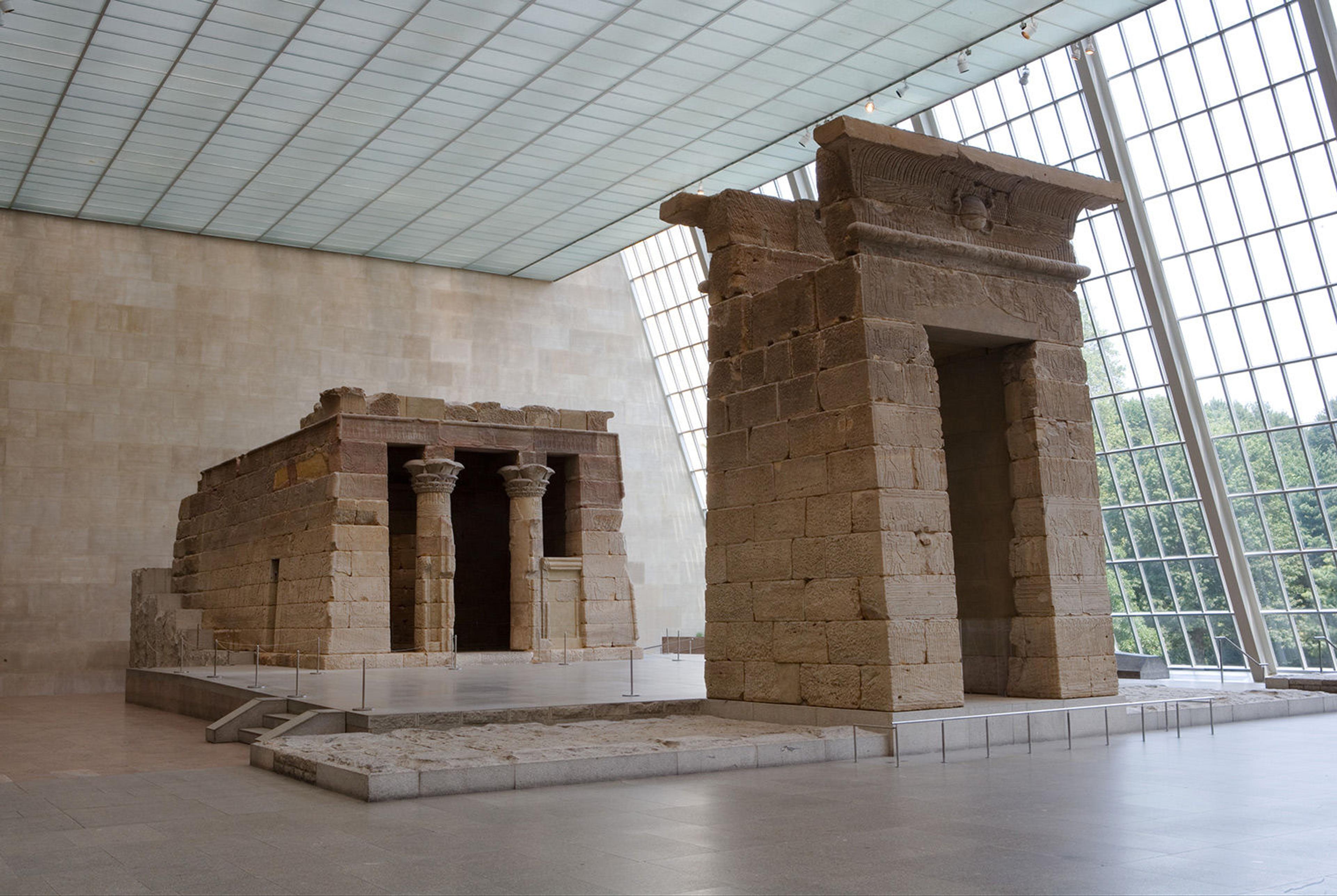
Much of the Met's Egyptian holdings also came from the 1959-1967 UNESCO Campaign to save the Nubian and Egyptian artifacts around the 2,000 square miles of land around Lake Nasser. The Egyptian and Sudanese Government were planning to build the Aswan High Dam, which would flood Lake Nasser and potentially submerge thousands of artifacts from 15-10 BC. More than 50 countries joined the UNESCO campaign to help excavate the sites, with the United States joining after pressure for President Kennedy. One of the Met's grandest exhibits, the Temple of Dendur, was gifted to the United States by Egypt for the countries help on the archaeological sites.
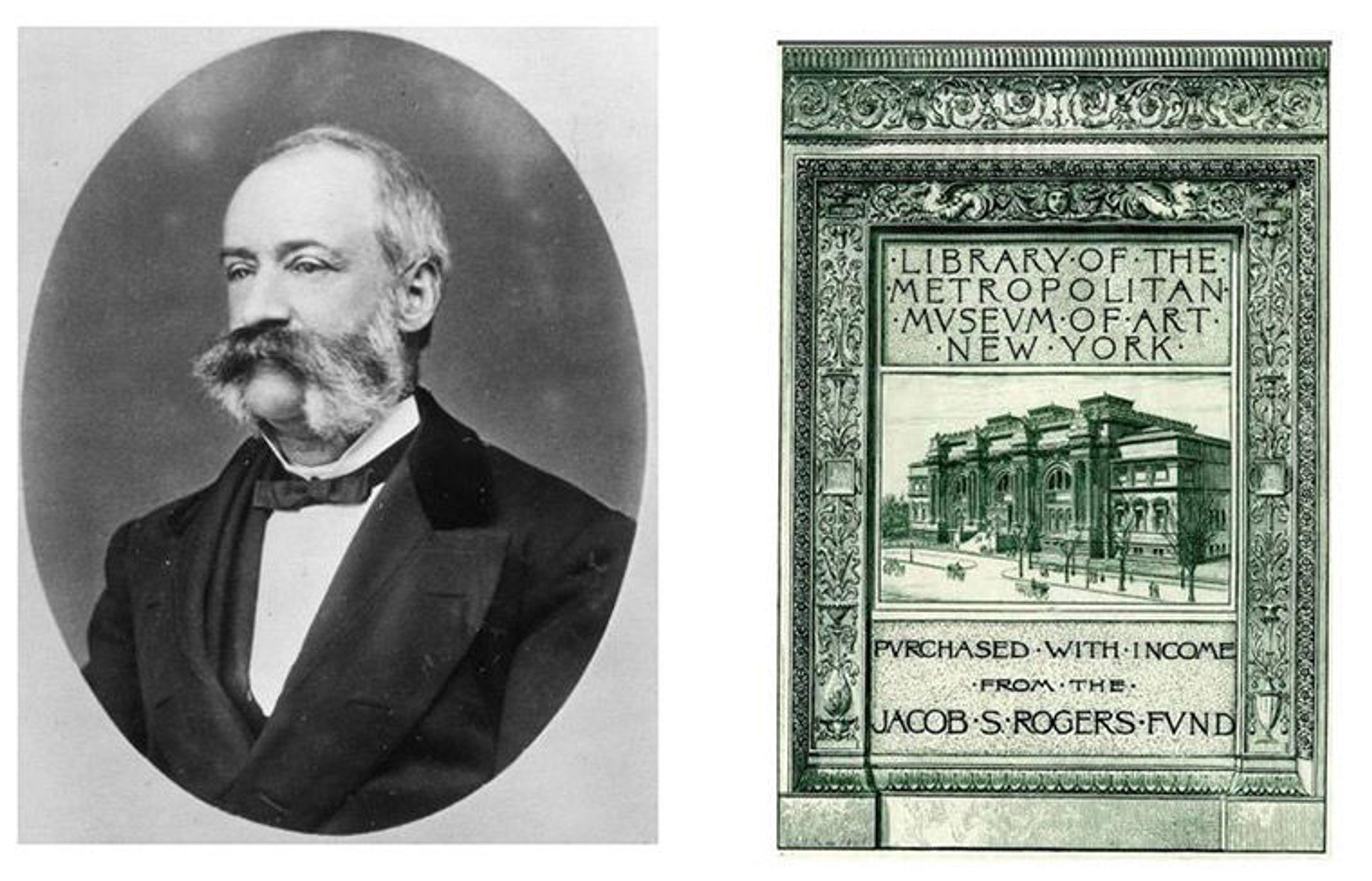
Despite being relatively unknown to Modern readers (and understudied according to Met Historian, Jonathan Conlin) The Met's largest gift came from Jacob S. Rogers at his death in 1907. Rogers, a train manufacturer in New Jersey gave almost every penny of his $5 Million USD fortune to the Met upon his death, a fund which remains the single largest source of purchasing power for the Met to this day.